
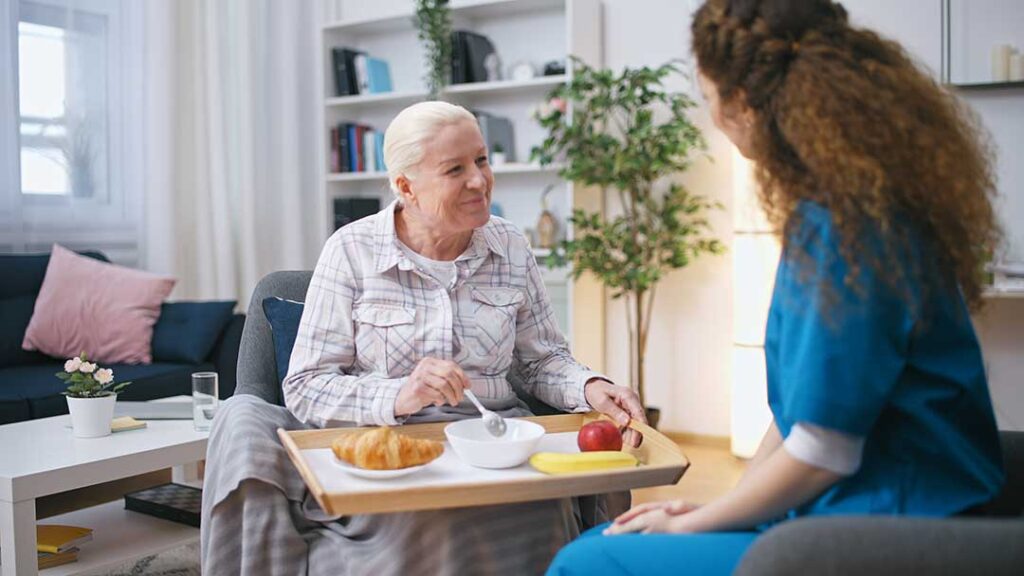
Can couples remain together in assisted living?
Often, yes. Assisted living may allow couples to live in the same apartment or in nearby apartments while receiving different levels of support. The practical answer depends on each person’s care needs, the available floor plan, and whether the setting can safely provide the required services.
Couples do not always need identical assistance. One partner may need help with bathing, dressing, medication reminders, or mobility, while the other may remain largely independent. A suitable living arrangement should recognize those differences without unnecessarily separating the couple.
The first step is to describe both partners’ daily routines rather than focusing only on diagnoses. Useful questions include:
- Can each person safely move around the apartment?
- Does either partner need help during the night?
- Can either person manage medications independently?
- Is assistance needed with meals, toileting, bathing, or dressing?
- Does either partner have memory loss, confusion, or wandering risks?
- What happens if one person’s needs increase?
These details help determine whether shared assisted living is appropriate and what level of support may be needed.
How can care be tailored when partners have different needs?
Assisted living generally works best for couples when services are arranged individually. Sharing an apartment does not mean receiving the same care plan.
For example, one spouse might receive medication reminders and help with showering, while the other may only need transportation support and occasional help with housekeeping. Staff may assist each person according to a written assessment, schedule, and care plan.
This individualized approach can reduce several common problems:
- One partner does not have to become the other’s full-time caregiver.
- A more independent spouse can maintain personal routines.
- Support can be adjusted as health or mobility changes.
- Families receive a clearer picture of what assistance is actually being provided.
Couples should ask how care plans are created, how often they are reviewed, and how changes are communicated. It is also helpful to learn whether additional services can be added without requiring an immediate move.
What are the emotional benefits of remaining together?
Moving into a new setting can be stressful, particularly after years in the same home. Staying together may provide familiarity, emotional reassurance, and companionship during a major transition.
A shared apartment can also preserve ordinary routines. Partners may continue eating meals together, watching television, greeting neighbors, or participating in activities as a couple. These familiar habits can support adjustment and reduce the sense that life has been divided into separate care arrangements.
Remaining together does not mean every activity must be shared. Healthy arrangements allow each person to choose different programs, rest privately, or spend time with friends and family. Couples may benefit from both companionship and personal space.
This balance matters when one partner is more socially active, while the other prefers quieter routines. It also matters when one person has cognitive impairment and needs a more structured daily schedule.
What if one partner needs memory care or more intensive support?
A couple may still be able to live in the same overall community, but shared living may not be safe or practical if one partner has advanced memory loss, significant behavioral symptoms, or complex medical needs.
The key issue is not whether the couple wants to remain together. It is whether the arrangement can protect both people. A partner with dementia may need secured surroundings, frequent supervision, or specialized programming. The other partner may not need those safeguards and could feel restricted by them.
Possible arrangements may include:
- The couple lives in the same apartment with added support.
- The couple lives in separate apartments within the same setting.
- One partner receives specialized memory support nearby.
- The partners share meals and visits while following different care routines.
- A short-term arrangement is used while the family evaluates changing needs.
Families should ask what happens if one partner’s needs exceed the setting’s capabilities. A clear plan can prevent rushed decisions during a health crisis.
How does assisted living reduce the caregiving burden between spouses?
Assisted living can shift routine physical and household tasks away from the healthier or more capable partner. This may reduce exhaustion, falls, resentment, and the risk that one spouse becomes responsible for care beyond personal ability.
Spousal caregiving often develops gradually. A partner may begin by helping with laundry or transportation, then take on bathing, medication management, transfers, meal preparation, and nighttime supervision. Over time, those responsibilities can affect sleep, health, finances, and the relationship itself.
Shared assisted living may provide help with:
- Personal care and dressing
- Medication organization or reminders
- Meals and hydration
- Laundry and housekeeping
- Mobility and transfers
- Transportation coordination
- Wellness checks and emergency response procedures

The healthier partner may still offer emotional support and companionship, but no longer has to manage every practical task. That distinction can help preserve the relationship as a partnership rather than turning it entirely into a caregiver-and-patient arrangement.
What should couples consider about the apartment itself?
The physical layout can affect safety and comfort as much as the care plan. Couples should examine the space together, preferably at the time of day when mobility or fatigue is most difficult.
Important features may include:
- Adequate room for walkers or wheelchairs
- A bathroom that can be entered and used safely
- Grab bars or other approved safety equipment
- Clear paths between the bed, bathroom, and living area
- Flooring that reduces slipping and tripping risks
- Seating that is easy to rise from
- Space for two people’s clothing, equipment, and personal belongings
- A way to maintain privacy when one partner is sleeping or receiving care
Seasonal conditions also deserve attention for residents in McCandless. Winter weather can make outdoor walking, transportation, and family visits more difficult, so couples may want to ask about indoor activity options, covered access, emergency planning, and procedures for delayed travel.
How can families compare options without making assumptions?
A couple’s needs should be evaluated separately and together. A family meeting can include each partner, close relatives, and appropriate health or care professionals when needed for safety or medical decision-making.
Questions worth asking include:
- Can couples share an apartment when their care levels differ?
- Are overnight staff available, and what assistance can they provide?
- How are falls, medication concerns, and changes in behavior reported?
- Can a partner receive more support without forcing the other to move?
- What services are included, and which may involve additional charges?
- How are meals, activities, transportation, and appointments coordinated?
- What circumstances would require a change in living arrangement?
- How much notice is provided if care needs exceed what can be safely managed?
It is also wise to discuss finances, legal authority, advance directives, and emergency contacts before a move. Couples may have different preferences about privacy, medical decisions, and future care, even after decades together.
What is a realistic expectation for couples in assisted living?
Assisted living can help couples remain connected, but it cannot guarantee that both partners will always live in the same apartment or receive the same services. Health changes may eventually require different care settings.
A realistic goal is continuity of the relationship, not necessarily identical care. That may mean sharing a room, living in nearby spaces, joining one another for meals, or maintaining frequent visits if separate care areas become necessary.
The most workable arrangements are flexible. They respect the couple’s wish to remain together while also recognizing that safety, dignity, privacy, and appropriate care must guide decisions as needs change.
