
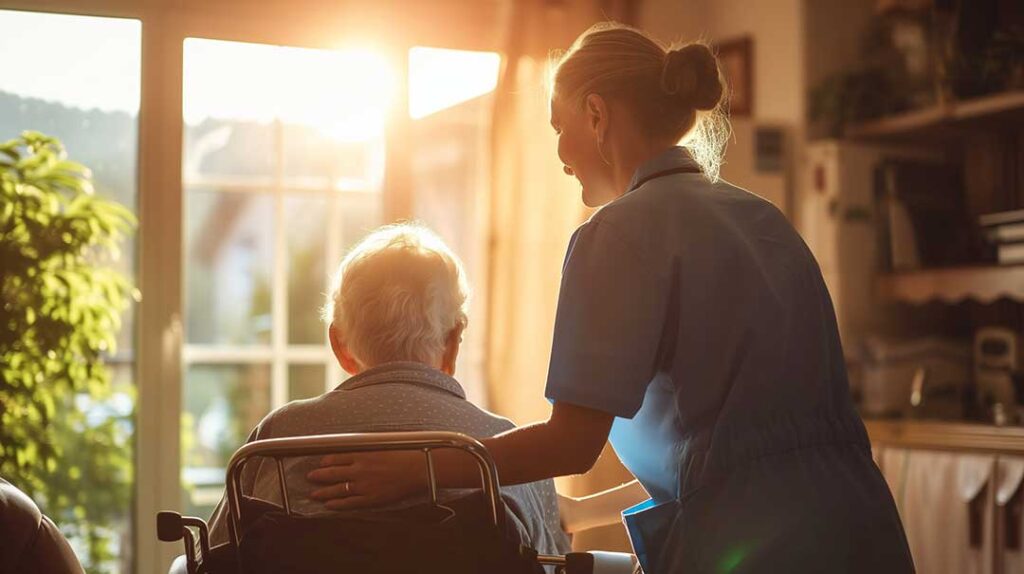
Assisted living can encourage an active lifestyle by making movement part of ordinary daily routines rather than treating exercise as a separate task. Residents may have opportunities to walk, join group activities, practice balance, participate in hobbies, and spend time outdoors according to their abilities and preferences.
For older adults in McCandless, PA, this approach can be especially useful during seasons when snow, ice, heat, or uneven outdoor surfaces make independent activity more difficult. A supportive setting can provide safer alternatives while still preserving choice and independence.
What does an active lifestyle mean in assisted living?
An active lifestyle is broader than formal exercise. It includes regular movement, social participation, purposeful tasks, and activities that support physical, mental, and emotional well-being.
In assisted living, active living may include:
- Walking through indoor common areas
- Taking part in stretching, strength, or balance sessions
- Gardening, crafts, music, or cooking activities
- Joining group games, discussion groups, or educational programs
- Helping with simple household routines
- Spending time outdoors when conditions are appropriate
- Moving independently between meals, activities, and personal spaces
The goal is usually not athletic performance. The goal is to reduce long periods of inactivity and help residents maintain abilities used in everyday life, such as standing, reaching, turning, walking, and getting in and out of a chair.
How does assisted living make movement easier to include?
Assisted living often places meals, activities, social spaces, and outdoor areas within a more manageable daily environment. This can create natural reasons to move without requiring a resident to plan and travel to a separate exercise facility.
A person may walk to a dining area, visit a neighbor in a shared lounge, attend a scheduled activity, or take a supervised route through the building. These short periods of movement can add up over the course of a day.
Routine also matters. Regular meal times and activity schedules can make it easier to establish consistent habits. Residents who may have difficulty organizing exercise independently can benefit from having movement opportunities built into the rhythm of the day.
That does not mean every resident should follow the same schedule. A suitable activity plan should reflect mobility, health conditions, energy levels, interests, and personal goals.
Which activities help support strength, balance, and flexibility?
Different activities support different aspects of physical function. Gentle strength activities may help residents continue using the muscles needed for standing, walking, and carrying light objects. Balance exercises can focus on posture, weight shifting, and controlled movement. Flexibility activities may help maintain comfortable range of motion.
Examples may include:
- Seated leg lifts and arm movements
- Guided stretching
- Repeated sit-to-stand practice
- Light resistance exercises
- Slow walking groups
- Simple dance or movement sessions
- Tai chi-style balance exercises
- Tossing, reaching, or coordination games
Activities should be adapted rather than forced. Someone who cannot safely stand for a full session may participate from a chair. Another resident may prefer several short walks instead of one longer exercise period.
Pain, dizziness, unusual shortness of breath, sudden weakness, or significant fatigue should not be ignored during activity. A care team may need to review the situation and adjust the activity plan.
Can social activities contribute to an active lifestyle?
Yes. Social participation can encourage movement while also addressing isolation and boredom. Residents are often more willing to attend an activity when it includes conversation, familiar interests, or a sense of belonging.
A group gardening activity, for example, may involve walking to an outdoor area, standing briefly, reaching, and handling lightweight tools. A music program may encourage clapping, gentle movement, or dancing. A card game may involve walking to the activity room and interacting with others, even though the game itself is not physically demanding.
Social activities also provide mental stimulation. Conversation, memory-based games, creative work, and learning programs can support cognitive engagement. An active lifestyle therefore includes more than physical motion; it also includes participation in meaningful experiences.
How can outdoor activity work during changing weather?
Outdoor activity may need to be adjusted throughout the year. In McCandless, winter conditions can create hazards from snow, ice, and reduced daylight, while summer weather may bring heat and humidity. Safe planning may include indoor walking routes, shorter outdoor sessions, shaded seating, hydration breaks, and activity times that avoid the hottest or coldest parts of the day.
Footwear and clothing also matter. Supportive shoes, layered clothing, hats, and weather-appropriate outerwear can make outdoor participation more comfortable. Walkways should be checked for slippery surfaces, standing water, poor lighting, or other obstacles.
A resident who prefers being outdoors may still have options during difficult weather, such as sitting near a bright window, tending indoor plants, or walking inside with a companion. The purpose is to maintain regular engagement without treating unsafe conditions as a test of determination.
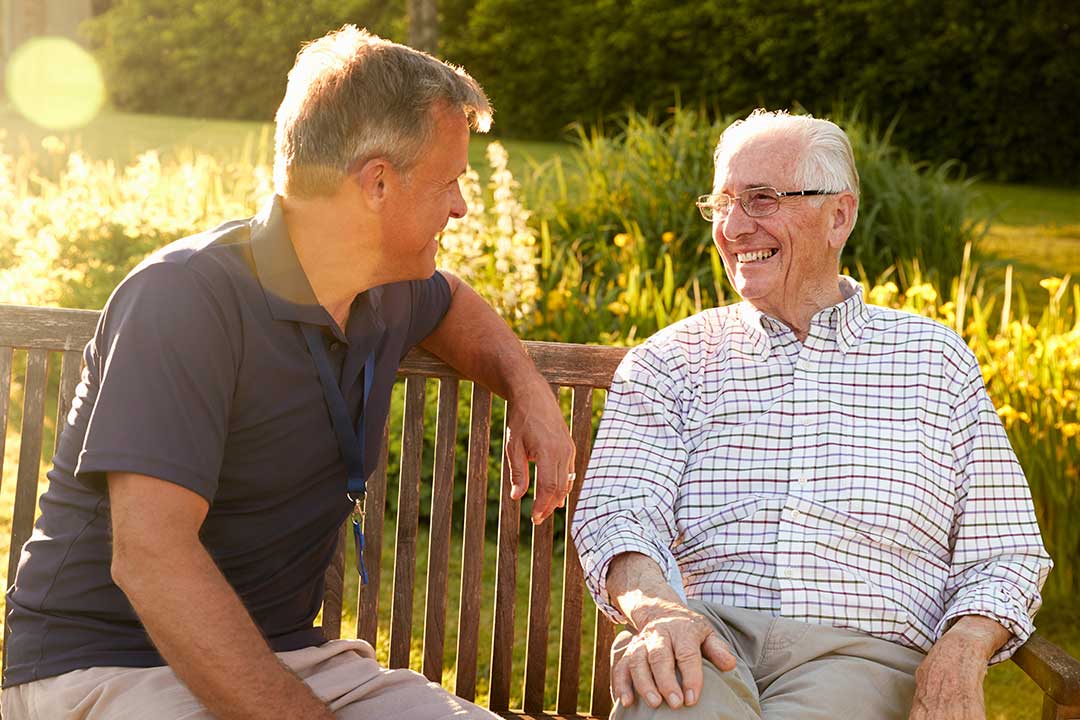
Does assisted living replace physical therapy or medical exercise guidance?
No. General activity programs are not a substitute for individualized medical care, physical therapy, or occupational therapy. A resident recovering from surgery, managing a neurological condition, living with significant arthritis, or experiencing repeated falls may need specific guidance.
Professional recommendations may address:
- Which movements are safe
- How much weight or resistance is appropriate
- Whether a walker, cane, or other aid is needed
- How to manage fatigue or pain
- How to reduce fall risk
- How to progress gradually
Assisted living staff may help residents follow an established plan, but the plan should be based on the person’s current abilities and health needs. A change in walking ability, balance, alertness, or endurance deserves attention rather than being assumed to be a normal part of aging.
What if a resident does not enjoy exercise?
A resident does not have to enjoy traditional exercise to remain active. Activities are more likely to become routine when they connect with personal interests and familiar responsibilities.
Someone who dislikes exercise classes might enjoy walking while listening to music, helping arrange materials for an activity, folding towels, caring for plants, or participating in a cooking demonstration. Another person may prefer quiet movement, such as stretching in the morning or taking several brief walks during the day.
The most useful question may be, “What kinds of movement feel meaningful or manageable?” Small choices can help residents maintain a sense of control. Participation should be encouraged, not treated as a competition or obligation.
How can families support an active routine?
Families can ask specific questions about a resident’s daily movement rather than focusing only on organized exercise. Useful questions include:
- How often does the resident leave the room?
- Which activities does the resident enjoy?
- Are there times of day when energy is better?
- Has walking, balance, or endurance changed?
- What helps the resident feel comfortable participating?
- Are weather or transportation conditions limiting outdoor time?
Visits can also include movement when appropriate. A family member might join a walk through an indoor area, sit outdoors together, look through gardening projects, or participate in a group activity. Shared routines can make activity feel social and purposeful rather than corrective.
An active lifestyle in assisted living is built from regular opportunities, appropriate support, and respect for individual preferences. Movement may take the form of a structured class, a short walk, a creative project, or simply choosing to join others for part of the day.
